
Ash dieback: epidemiology, spread and mapping — hedgerows, highways and hotspots
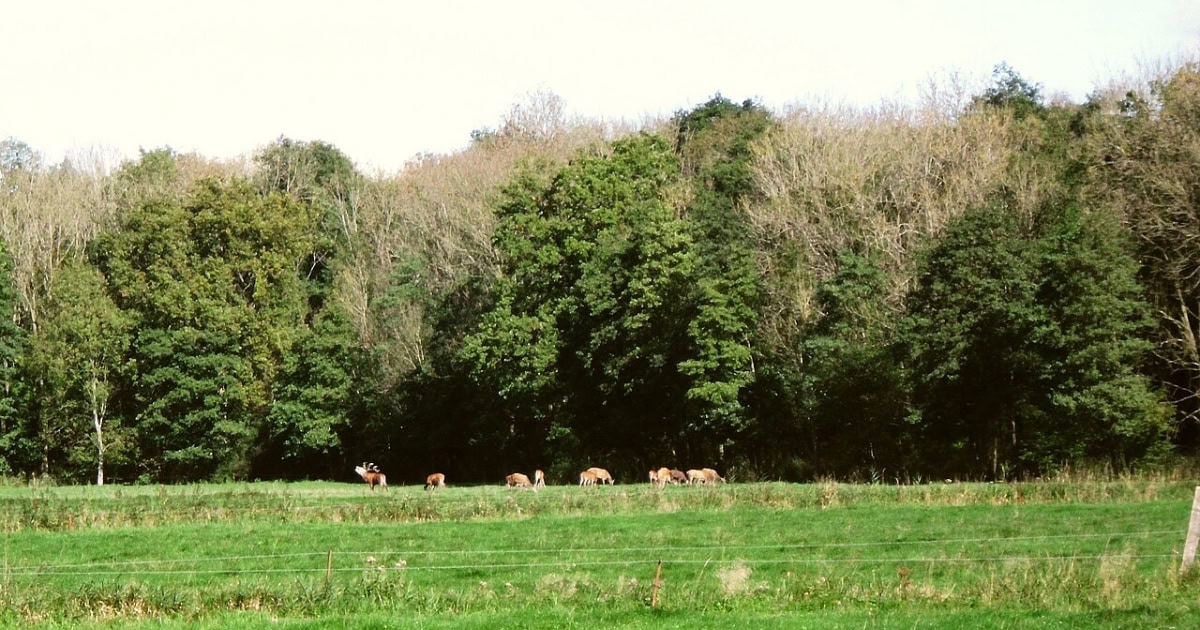

Ash dieback is the fungal disease changing the character of hedgerows, roadside belts and woodlands across the North West. Spores released from last year’s fallen ash leaf stalks rise in summer, infect new leaves and shoots, and then move into twigs and branches. Over time crowns thin, deadwood builds, and in some trees the base of the stem is affected too. You need to know what to look for, where it spreads quickest, and how to map risk on your own land so you can act with confidence. (Forest Research, updated 2025.) Forest Research
We are going to do three things. First, pin down the practical signs of the disease on the tree. Second, explain why hedgerows, highways and a few surprising “hotspots” matter. Third, give you a simple mapping method you can start today, whether your ash trees are in a garden, along a farm drive, or by a public right of way.
Hedgerows, highways and hotspots: landscape features that matter
Ash dieback does not strike every landscape feature equally. Disease pressure rises and falls with structure and microclimate. Hedgerows funnel air and hold humidity. Roadside banks stress roots through fast wet–dry cycles from spray and drought. Dense lines of host trees create long corridors of susceptible foliage. Landscape epidemiology studies show that disease severity varies with ash density, canopy openness, topography and local microclimate. Isolated hedgerow trees can behave differently from dense stands, and sheltered bottoms of valleys often show higher symptom loads. (Journal of Ecology, 2020.) British Ecological Society Journals
Highways deserve special attention because targets are constant and close. Road spray and the churn of air from vehicles can keep foliage damp, while embankments and ditches trap last year’s infected leaf stalks. National Highways now treats ash dieback as a significant safety risk on the roadside estate and runs inspection and works programmes accordingly. That tells you something important: proximity to roads changes the risk profile, even for trees that look only moderately affected in summer. (National Highways, 2025.) nationalhighways.co.uk
In the North West we often find a familiar recipe: clay soils that waterlog after wet summers, a hedge topped by mature ash standards, and a minor road or access track beneath. Add coastal exposure around Merseyside or the Fylde and you have wind that speeds up deadwood shedding once branches die back. If that sounds like your boundary, put those trees at the front of the queue for inspection.
If your ash hedge runs beside a road or a public right of way, schedule a July to September inspection.
Ash dieback symptoms — what does it look like? (merged guide to signs and disease stages)
Best time to look: mid to late summer, from July into September. After that, natural autumn colour can hide or mimic disease. (Forest Research, updated 2025.) Forest Research
Early leaf and shoot signs
- Leaves develop dark patches, wilt and hang on the shoot. You often see single “flags” of dead shoots among otherwise green foliage.
- Young ash can lose whole shoots quickly. On older trees, dead tips appear here and there before the decline spreads.
Stem and branch lesions (the classic diamond)
- Look where a twig meets a branch or the main stem. The bark forms a diamond-shaped lesion near last year’s leaf scar. If you lift a loose edge of bark you will often see brown staining beneath. This sign is one of the strongest indicators that you are looking at ash dieback rather than another issue. (Forest Research picture guide.) Forest Research
Basal lesions and structural risk
- On damp, heavy ground the fungus can attack low on the stem. A basal lesion raises the risk of sudden failure even when the crown still looks fair. If you find a low canker at the base with a target beneath, move quickly from watching to planning works. (Forestry Commission guidance for owners.) GOV.UK
Ash dieback lookalike checks
- Drought scorch, insect defoliation and honey fungus can mimic leaf symptoms and crown thinning. Use the diamond lesion at a node as your clincher, and look in July to September at the leaf litter for tiny white cups on last year’s ash leaf stalks. Those cups are the fruiting bodies that release new spores.
Two things you can try this week
- Stand in the same place you stood last August and take a photograph. Compare crown density and the number of “flagged” shoots. A clear drop year-on-year signals progression.
- Run a fingertip along the twig–branch junctions from last year’s growth and mark any diamond-shaped lesions with biodegradable flagging so your surveyor can find them again.
If you can see diamond lesions over a play area, path, parking bay or drive, book a tree condition survey.
Spread and seasonality: why some years feel worse
The life cycle is annual. Tiny fruiting bodies grow on the previous year’s fallen ash leaf stalks in the litter. In summer they release spores that ride the air to new leaves. From there the fungus grows into shoots, twigs and branches. That is why last year’s leaf litter matters, and why the mid to late summer window is so useful for spotting fresh infections. (Tree owner guidance is aligned with this cycle; Forestry Commission and Forest Research content confirms the timing.) GOV.UK+1
Weather tips the balance. Cool, moist summers provide long infection windows. Dry, breezy spells can slow visible symptom build-up but may return with a vengeance after a run of damp nights. Where hedgerows hold humidity or roadsides stay splash-damp, the disease can feel a step ahead of the calendar.
If your boundary stays humid on summer nights or sits in a sheltered dip, bring forward checks and repeat them.
Mapping your risk: gardens, farms and roadside belts
You do not need specialist kit to start. You need a simple, repeatable method and a place to keep your notes and photographs.
A six-step plan you can start today
- Set a baseline: walk the hedge or belt and give each ash a number. Use your phone’s map to drop a location pin for each tree so you can find it again.
- Crown score: choose a four-step scale that you can repeat every year: full crown; light thinning; moderate thinning; severe thinning. Take clear photographs from the same spots.
- Check the litter: in July to September photograph the leaf litter under each tree. You are looking for tiny white cups on last year’s leaf stalks.
- Find the diamonds: look at twig junctions for diamond-shaped lesions and record where you found them.
- Note the targets: record what sits beneath each crown. Roads, access tracks, play areas, sheds and parking spaces change the urgency even when symptoms look modest.
- Escalate where needed: if you find basal lesions, large deadwood above a target, or crown thinning above one third in a roadside context, commission a formal tree condition survey.
On larger holdings, councils and estates sometimes add laser-scanning or aerial imagery to track canopy change. For most owners, a phone camera and consistent notes will do the job well and cost nothing but a couple of walks.
If an ash overhangs a lane, farm track or public right of way, add it to a “priority” list and arrange an inspection first.
When management becomes urgent (North West cues)
Management should be risk-led, not diagnosis-led. The goal is to keep people and property safe and, where possible, retain habitat and the chance of natural tolerance. Official guidance is clear: do not remove a mature ash solely because it has the disease. Monitor, judge structural integrity, and act when risk rises. (Forestry Commission, guidance last updated January 2025; Bartlett Tree Experts technical guidance.) GOV.UK+1
Retain or remove? A quick, honest view
Reasons to retain
- Ecological continuity in hedgerows and belts.
- Some trees show tolerance; young cohorts may be evolving greater resistance, so retaining apparently tolerant trees where safe supports seed sources. (Science study 2025, summarised by Royal Botanic Gardens, Kew and Queen Mary University of London.) Science+1
- Canopies can often be managed safely for years through targeted deadwood work and selective reduction.
Reasons to remove
- Unpredictable branch drop above roads, paths and play areas.
- Basal lesions or extensive stem cankers that undermine stability.
- Frequent targets below the crown with no feasible way to control access.
North West realities matter. Clay soils around Greater Manchester swell and shrink between wet summers and drier spells, which can loosen root plates on engineered banks. Coastal exposure on the Merseyside and Fylde coasts increases wind-load and speeds up deadwood shedding. Roadside works near urban centres often need traffic management and careful timing. Factor these into your plan.
If thinning sits above a pavement, bus stop or access track, move from “watch” to “plan works”.
What we are seeing in the North West (two short vignettes)
A morning drive near Lymm: A damp August morning on a narrow lane with short sight lines. A two-metre hedge with scattered ash standards showed flags in the top third of the canopy. Three diamond lesions glinted at node points on a boundary stem. We logged an interim deadwood removal and a winter re-inspection before the school term traffic picks up.
A recent job in Burscough: A farm drive beside a minor classified road. Mixed hedge with a mature ash standard overhanging a narrow verge and ditch. Crown thinning around forty percent, one basal lesion on the lee side. We chose a phased crown reduction and selective deadwood this winter, retained the stem because of solid buttress roots and the lack of ground movement history, and set a July re-survey next year. Replacement planting is already in with field maple, hawthorn and small-leaved lime to build resilience.
If your own example sounds similar, get a risk-led plan drawn up now rather than waiting for a storm day.
Frequently asked questions
Can an ash tree recover or stabilise?
Some do. Lightly affected trees and shelterbelt standards can hold steady for years. Emerging research suggests young generations may be showing greater resistance, which is another reason to retain apparently tolerant trees where it is safe to do so. Science
How does the disease spread?
Spores are produced on the tiny cup-shaped fruiting bodies that grow on last year’s fallen ash leaf stalks. They rise in summer and infect leaves, then move into shoots. Wind is the main local vector; movement of plant material explains longer jumps. (Forest Research and Forestry Commission owner guidance.) Forest Research+1
When should I check my trees?
July, August and September are the best months for leaf and shoot symptoms. Outside those months, focus on lesions and structure rather than foliage. (Forest Research.) Forest Research
Is it especially dangerous near roads and paths?
It can be. Deadwood and basal lesions increase failure risk over high-use areas. That is why highways teams run dedicated programmes across roadside estates. (National Highways.) nationalhighways.co.uk
Should I fell as soon as I see symptoms?
Not automatically. Make decisions on risk, not diagnosis alone. Many mature trees can be managed safely for years with the right works plan. (Forestry Commission; Bartlett Tree Experts.) GOV.UK+1
TL;DR
- Look between July and September for blackened shoots and diamond-shaped lesions at twig junctions; check the leaf litter for those tiny white cups on last year’s stalks. (Forest Research.) Forest Research
- Hedgerows and highways change the game by adding humidity, continuous corridors and constant targets. (Journal of Ecology; National Highways.) British Ecological Society Journals+1
- Map your trees with numbered notes, repeat photographs and a simple crown score; prioritise anything over roads, tracks, play areas or parking areas. (Forestry Commission.) GOV.UK
- Act on risk, not diagnosis alone. Retain apparently tolerant trees where safe; remove when targets and structure demand it. (Forestry Commission; Science 2025 coverage via Kew.) GOV.UK+1
A clear next step
If you are in the North West and you have ash along a boundary, drive or public right of way, we can help you identify, map and prioritise what matters. We will walk the line, record clear evidence, and agree a plan that balances safety and resilience. Call us or use the contact form to book a July to September inspection window.
Sources
- Forest Research. “Ash dieback (Hymenoscyphus fraxineus) — identification and symptoms.” Updated 2025. Forest Research
- Forestry Commission. “Managing ash dieback in England.” Guidance for owners, last updated 17 January 2025. GOV.UK
- Grosdidier, Mar\u00e7ais and colleagues. “Landscape epidemiology of ash dieback.” Journal of Ecology, 2020. British Ecological Society Journals
- National Highways. “Ash dieback — our approach.” 2025. nationalhighways.co.uk
- Bartlett Tree Experts. “Chalara ash die-back: identification, biology and management.” Research Laboratory Technical Report. bartlett.com
Short disclaimer for the United Kingdom
This guide is not a substitute for a site-specific arboricultural risk assessment. Works on protected trees such as those covered by Tree Preservation Orders or trees in Conservation Areas, or works that require a felling licence, must follow the relevant consents. Protected species checks apply. Roadside works often require traffic management and permission from the local highway authority. (Forestry Commission guidance.) GOV.UK
Book in your tree survey today
Get clear, professional advice from qualified tree surveyors you can trust. Whether you need a report for planning, insurance, mortgages or safety, we’ll deliver accurate results fast.