
Ash dieback: Epidemiology, spread and mapping in the United Kingdom
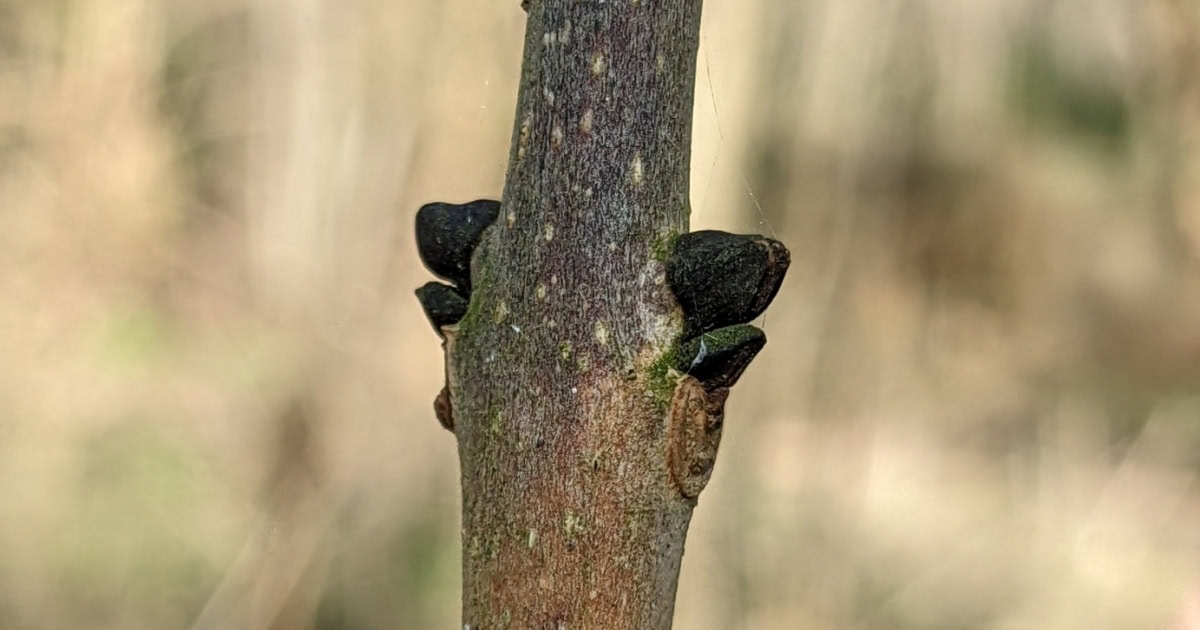

If you own an ash tree, you are living through one of the defining tree health events of our time. Ash dieback is now widespread across the United Kingdom and still advancing, but the picture on the ground is more nuanced than a single shaded square on a map. This guide explains what the latest mapping and surveys really show, how the disease presents, and what a sensible, risk-led plan looks like for owners in the North West.
Definition: what is ash dieback?
Ash dieback is a fungal disease of ash trees caused by Hymenoscyphus fraxineus. Spores infect leaves in summer, the fungus moves into shoots and stems, and over time crowns thin, branches die back, and some trees develop basal or collar lesions that compromise stability. The United Kingdom’s native common ash (Fraxinus excelsior) is particularly affected. Forest Research provides the authoritative overview of the pathogen, its biology, and its presence across the country. Forest Research
Ash dieback is now present in most regions of the United Kingdom, but a presence dot on a map is not the same as a safety verdict on your tree. Get local, risk-led advice. chalaramap.fera.co.uk
United Kingdom distribution: what the latest maps and surveys show
The official ten-kilometre grid presence map, hosted by Fera Science for the Department for Environment, Food and Rural Affairs, shows where at least one confirmed finding has been recorded in the wider environment. The public viewer was updated in January 2024 and remains the standard national reference for presence. Presence does not equal severity. A filled square means “confirmed somewhere in this ten-kilometre block,” not “severe in every street.” chalaramap.fera.co.uk
Forest Research’s most recent situation report (26 November 2024) counted 1,913 confirmed ten-kilometre squares in the wider environment across the United Kingdom, equivalent to 63.3% coverage. Breakdown: England 1,173 squares (79.9%), Wales 246 (91.8%), Scotland 335 (30.5%), Northern Ireland 158 (89.8%), Isle of Man 1 (7.1%). The report notes a methodology tweak in how squares are allocated between countries and signals the next update for December 2025. cdn.forestresearch.gov.uk
The Tree Council’s guidance is a useful reality check for landowners: national maps show presence or absence of confirmed detections, not infection level. Under-reporting in large trees and remote areas is expected; absence from a square does not guarantee freedom from disease. Use maps to understand context, then commission a survey to understand risk. The Tree Council
North West picture. In Greater Manchester and neighbouring counties we regularly see faster crown decline along exposed roadside belts and access tracks where wind funnels spores along the line. Wet summers increase spore pressure and stress roots on heavy clay soils, a common combination in many Manchester gardens. Along the Merseyside and Sefton coast, salt-laden winds and exposure add stress that can mask or amplify symptoms. These local factors explain why two trees in the same square can behave very differently.
One practical line: If your ash overhangs a road, car park, play area or public right of way, book a survey now rather than waiting for leaf-fall.
Symptoms, stages, and what ash dieback looks like (with “lookalikes”)
Leaves and leaflet stalks
In mid to late summer, look for blackening and wilting of leaflet stalks (rachis) and leaf veins. Leaves may hang and then drop early. You will often find blackened, brittle rachises in the litter under the tree by late summer and autumn. The Royal Horticultural Society and Observatree provide clear photographs and field cues. RHS Woodland Trust
Shoots and lesions
Check one- to three-centimetre twigs for diamond-shaped, sunken, brown-to-purple lesions at or just below nodes where side shoots meet older wood. Tips beyond the lesion often die back. This “diamond at the node” is one of the most reliable field signs for owners. Woodland Trust
Crown and base
As infection builds, crowns thin from the top down and dead poles appear. Some trees develop basal or collar lesions that undermine the stem even while parts of the crown remain green. Honey fungus frequently follows and accelerates decline in weakened trees (Royal Horticultural Society). RHS
Simple stages (plain language)
Leaf infection → shoot dieback and cankers → crown thinning → secondary agents and structural decline. The seasonal rhythm matches the pathogen’s biology: spores are typically active from June to October, produced from last year’s infected leaf stalks in the litter. RHS
Ash dieback lookalike
Ash anthracnose can scorch leaves in spring; drought, de-icing salt, and coastal wind scorch can mimic summer wilt. The combination of diamond lesions at last year’s nodes plus blackened rachis in the litter separates ash dieback from these lookalikes. RHS Woodland Trust
Two checks you can try today
- Photo comparison: take a full-crown photo now and compare with a photo from the last two summers. Loss of fine shoots from the top down is the early pattern to watch.
- Node inspection: on low twigs, look for a sunken diamond at last year’s node and note any dead tip beyond it.
One practical line: If you find diamond lesions above a footpath or driveway, book a survey.
How ash dieback spreads — and why North West conditions matter
The pathogen completes most of its spread via airborne spores released in summer from fruiting bodies on last year’s fallen leaf stalks. Infection begins in the leaves and then progresses into shoots. That is why unmanaged leaf litter beneath hedgerow ash can act as a local inoculum source. Observatree’s training resources and Forest Research’s disease pages explain this cycle in accessible detail. Woodland Trust Forest Research
North West factors you can see on site.
- Wet summers: increase spore pressure and slow drying of foliage and litter.
- Clay soils around Greater Manchester: poor drainage stresses roots; we often record basal lesions progressing faster on repeatedly waterlogged sites.
- Coastal exposure on the Wirral and Sefton: wind and salt stress confuse identification and hasten decline in already infected crowns.
- Roadside belts and access tracks: wind tunnels along the corridor; the first clear dieback often appears on the edge trees that overhang the carriageway or path.
One practical line: If your ash forms part of a roadside or trackside line, schedule an inspection before peak summer use.
Management on your land: retain, reduce, or remove?
There is no cure and no reliable method to stop spread, so management aims to slow impacts, preserve tolerant trees where safe, and reduce risk around people and infrastructure (Forest Research management manual). Forest Research
We work risk-first. Many ash can be retained with monitoring and targeted pruning if they are away from high-value targets. Bartlett Tree Experts’ technical note aligns with this: avoid blanket felling for infection alone; inspect structural integrity and act when risk is unacceptable, especially where honey fungus is present or basal lesions are expanding. bartlett.com
What we are seeing locally
- Retain with light reductions where trees are set back from play and roads. Remove dead poles and reduce sail to lower the chance of breakage, paired with annual summer checks.
- Staged removal for trees overhanging highways, school approaches and busy public rights of way once crown death advances or collar lesions increase.
- Habitat-led retention of low-risk stems, particularly if showing signs of tolerance, to support biodiversity and future seed sources.
Mini-case from recent work (South Manchester, 2025).
Sixteen-metre roadside ash on clay soil with approximately forty percent upper-crown dieback and a two-hundred-millimetre collar lesion. Decision: immediate deadwood removal and a modest crown reduction to reduce sail, temporary barrier to move the target line away from the kerb, and a trigger point for staged removal if the lesion exceeded thirty percent of the stem circumference at the next summer inspection. Result: risk brought to a tolerable level for now, with monitoring in the diary.
One practical line: If dead poles overhang traffic, school routes or play areas, prioritise works.
Costs, permissions and timing
Permissions. If your tree is protected by a Tree Preservation Order or stands in a Conservation Area, you will need consent for significant works. A felling licence may apply outside garden exemptions. We check constraints with your local authority before recommending action.
Timing. Summer and early autumn are the easiest seasons for identification because rachises in the litter and fresh lesions are visible. For safety works we avoid peak nesting periods and coordinate with highways teams where traffic management is needed.
Why a plan matters now. Woodland Trust and Forest Research anticipate high national losses with substantial safety and biodiversity impacts, while the economic cost to Britain has been estimated at approximately fourteen point eight to fifteen billion pounds over the long term (Hill et al., 2019). Early, proportionate decisions keep people safe and reduce lifetime costs. Woodland Trust ScienceDirect
One practical line: If you suspect ash dieback near public access, arrange a risk-based survey and a works timetable.
A grounded vignette from our rounds
A wet August morning in Trafford. Three young ashes line a shared driveway. The owner points to the winter grit route and blames salt. In the litter we find blackened rachises; on two-year shoots, the tell-tale diamond. One tree we retain with a light reduction and monitoring. Two sit directly over car doors and a nursery drop-off; we schedule phased removal after permissions, with replacement planting agreed.
Steps: a simple five-point check before you call
- Stand back and photograph the full crown now, then do the same next July. Compare for top-down thinning.
- Inspect low twigs for diamond-shaped lesions at last year’s nodes.
- Pick up a handful of last year’s rachises; blackened and brittle is a strong field clue.
- Walk the base for collar lesions, especially on clay or where mower or strimmer damage is likely.
- Note any targets: roads, paths, play equipment, parking, entrances, overhead lines.
Pros and cons of retaining a declining ash
Pros
- Habitat value and continuity.
- Potential tolerance that is worth retaining where risk is low.
- Lower carbon cost than immediate felling; staged works spread cost.
Cons
- Unpredictable branch drop as dieback advances.
- More frequent inspections and selective pruning.
- Likely removal in the end when near roads or play.
Where reporting fits in
If you believe you have found ash dieback in a ten-kilometre square that is not yet confirmed on the national map, use TreeAlert, Forest Research’s online reporting tool. If you are inside a square already confirmed, your priority is to manage risk on your land through a survey and a plan. Forest Research
The small signs of hope
Several long-running programmes are identifying, planting and monitoring ash trees that show tolerance. The Living Ash Project reports that national archives of tolerant material were planted in 2024, with further work through 2025 to evaluate and select for breeding and restoration. Living Ash Project Forest Research
In June 2025, researchers from Royal Botanic Gardens, Kew and Queen Mary University of London published evidence in Science that younger ash populations are showing polygenic shifts consistent with increasing resistance under natural selection. It is not a cure and it will not prevent losses, but it does support careful retention of safe, promising trees where risk allows. Science kew.org
One practical line: If your ash is safe to retain, keep it under review; today’s survivor could be part of tomorrow’s seed source.
Call to action
Need a clear, local decision on an ash in Manchester, Merseyside or Cheshire? Book an Ash Dieback Risk Survey with Tree Surveys North West. We will assess symptoms, map targets such as roads and public rights of way, and give you a plan—retain, reduce, or remove—with the right permissions in place.
Sources
- Forest Research: Ash dieback disease overview and management guidance. Forest Research+1
- Fera Science and Department for Environment, Food and Rural Affairs: national ten-kilometre presence map. chalaramap.fera.co.uk
- Forest Research: Situation Report, 26 November 2024 (ten-kilometre square counts by country). cdn.forestresearch.gov.uk
- The Tree Council: Action Plan Toolkit (presence versus severity; use of TreeAlert). The Tree Council
- Royal Horticultural Society and Observatree: identification and symptom cues. RHSWoodland Trust
- Bartlett Tree Experts: technical report on identification and management considerations. bartlett.com
- Hill et al., 2019, Current Biology: economic cost estimate for Britain. ScienceDirect
- Living Ash Project and Forest Research: tolerant archives and programme updates (2024–2025). Living Ash Project Forest Research
- Science, 2025; Kew explainer: emerging evidence for evolving resistance. Sciencekew.org
Short disclaimer (United Kingdom)
This article offers general guidance for tree owners in England and Wales. Works to protected trees (Tree Preservation Orders, Conservation Areas) or volumes that require a felling licence need consent. Always commission a qualified arborist for safety-critical decisions, particularly near highways and public rights of way.
Book in your tree survey today
Get clear, professional advice from qualified tree surveyors you can trust. Whether you need a report for planning, insurance, mortgages or safety, we’ll deliver accurate results fast.