
Managing Ash in North West Woodlands: Ash Dieback Decisions with Operations Note 46
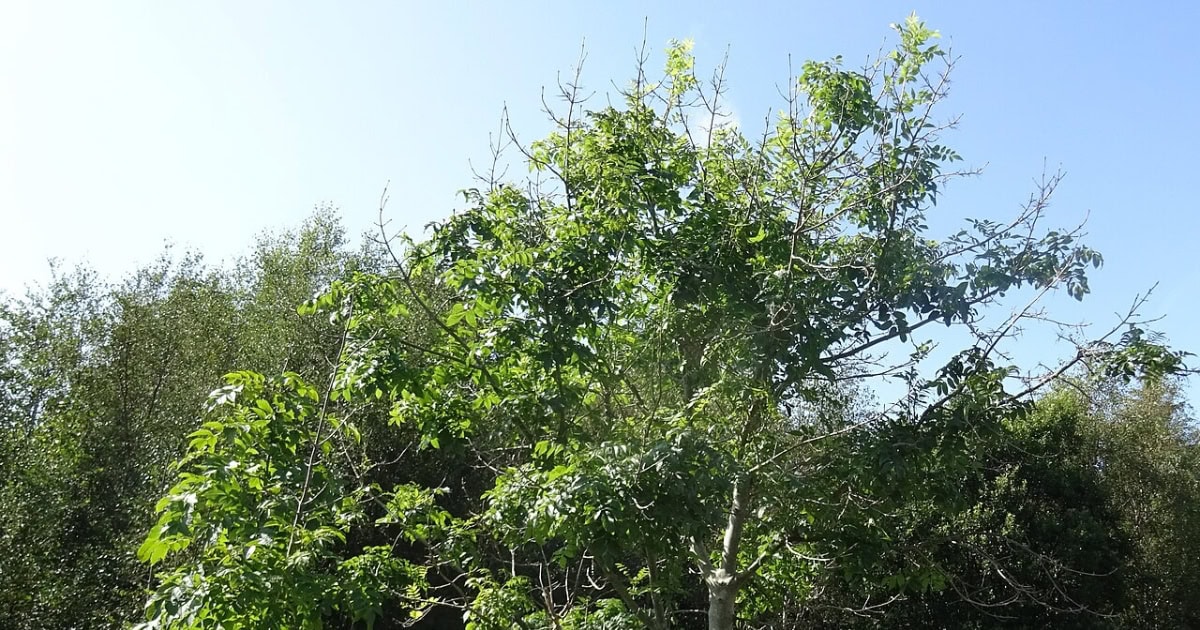

Managing ash in woodlands (silviculture): Operations Note 46 explained for practical decisions under uncertainty
Ash dieback has turned woodland decisions into a moving target. You need to keep people safe, avoid unnecessary felling, and still have a living, diverse woodland in ten years. This guide translates Operations Note 46 into plain English and blends it with current science and national guidance, so you can act now and keep options open for later. GOV.UK+2Forest Research+2
What is ash dieback?
Ash dieback is a disease of ash trees caused by the fungus Hymenoscyphus fraxineus. Typical signs include blackened and wilting leaves in summer, diamond-shaped lesions on stems, thinning in the upper crown, and stress-driven shoots further down the trunk. Start with a summer check, take photographs, and plan staged work rather than one-off reactions. Forest Research+1
A short grounded vignette
Last July we drove a familiar lane outside Bury after a week of steady rain. A farm belt of ash looked feathery at the edges, but the upper crowns were punctured with bare twigs. Lower down, clusters of shoots crowded the stems. In the ditch was a bracket fungus on another species. A classic picture of disease plus site stress. We logged the worst trees for urgent inspection and left a handful of clean-crowned ash to watch – possible tolerance worth keeping.
Ash dieback symptoms and what it looks like (with a quick self-check)
Summer signs (best seen from July to September). Look for blackened leaves at the base and midrib, wilting shoots, and thinning in the outer crown. Under a lesion, the inner bark often looks brownish grey. Epicormic shoots will often appear lower on the stem as the tree tries to compensate. Forest Research+1
Two checks you can try at home:
- Photo comparison: take or find photos from the last two summers and compare crown density. A clear jump in upper-crown thinness is a warning sign.
- Node and lesion check: on small stems, feel for a slightly sunken, diamond-shaped lesion around last year’s node. If present, record it and arrange an inspection. Forest Research+1
Winter clues. Look for retained dead twigs at the top of the crown, lens-shaped cankers at branch collars, and flaking bark over old lesions. Binoculars help when you are assessing trees along roads or public paths. Forest Research
Ash dieback lookalike. Drought scorch, salt spray near the Sefton and Fylde coasts, honey fungus, and waterlogging on Greater Manchester clays can mimic parts of the picture. If you are unsure, ask for a professional diagnosis rather than guessing. The Royal Horticultural Society has helpful comparisons for garden situations. RHS
If you can see these signs above a play area or a public path, book a survey.
Ash dieback disease stages and what they mean for safety and timing
A practical way to think about risk is to group progression into four broad stages: early foliage symptoms, established crown dieback, advanced dieback with lesions and deadwood, and then structural decline. Risk does not rise in a straight line. It jumps when decay or large deadwood appears above people or roads. The latest owner toolkits tie stage to risk and give clear examples for public rights of way and busy roadside belts. The Tree Council
Stage-based actions you can take:
- Early symptoms: monitor carefully; keep dated photographs; do not fell by default.
- Established dieback: prioritise inspections where people travel – roadsides, rights of way, garden boundaries. Reduce or prune where proportionate.
- Advanced dieback: if defects threaten targets, plan removal with the right access and traffic controls.
- Structural decline: when the tree can no longer be managed safely, act. Away from paths and buildings, a standing dead tree can still provide valuable habitat. ntsgroup.org.uk+1
Retain or remove – the real-world trade-off.
Retaining sounder, better-performing ash preserves genetic diversity. Some ash show heritable tolerance and may seed the future stand. Removing hazardous trees reduces immediate risk where targets are constant. The balanced approach is to retain where it is safe and monitor, and to remove where risk is unacceptable or structure is failing. This position is shared across independent safety guidance and national firm advice. Queen Mary University of London+2ntsgroup.org.uk+2
If deadwood is building above a busy path, schedule works.
Operations Note 46 in plain English: a decision path for woodland owners
Operations Note 46 is about doing the right things in the right order when the future is uncertain. Here is the essence for private woodland owners in the North West. GOV.UK
- Keep what copes. Tag cleaner-crowned ash for retention. These are your hedge against the future because tolerance is rare but real.
- Diversify. Reduce reliance on ash over time and mix in species that suit your soils, light, and exposure.
- Phase operations. Spread risk and cost. Avoid one-off clearances that strip structure and habitat.
- Protect regeneration. Guard natural ash seedlings and mixed advance growth where it is safe to do so.
- Make paths and edges safe first. Entrances, roads, public rights of way, and boundaries take priority.
- Record, review, repeat. Revisit after wet summers and update your plan.
Public rights of way and roadside belts in the North West. Wet summers and heavy clay often mean soft ground and access damage. Plan timings and machine routes, and use a trained banksman for roadside work. Along coastal routes around Southport and Formby, salty winds add stress to crowns and can push symptoms harder. National Highways set out a safety-first approach on main roads while avoiding unnecessary removals. nationalhighways.co.uk+1
Seven steps you can take this year
- Walk the site in July to September and take photographs of each ash crown.
- Map paths, roads, and neighbours.
- Give each tree a simple crown-thinness score and mark obvious hazards.
- Tag better-performing ash for retention.
- Plan phased works at the highest-risk edges first.
- Choose replacement species that fit your site conditions.
- Keep notes and photographs to support any licence applications and to show proportionate management. GOV.UK+1
If a right of way is busy every day, treat that edge before interior blocks.
Local realities in the North West: wet summers, clay soils, coastal exposure
Greater Manchester’s clay belts hold water, stress roots, and make access tricky. In Sefton and the Fylde, salt-laden winds scorch leaf margins and can create an “ash dieback lookalike” in dry spells. On Pennine edges, exposure increases branch shedding. Plan lighter kit, shorter matting, and drier weather windows to protect paths and tracks. National and local bodies emphasise proportionate safety and careful access planning. nationalhighways.co.uk+1
If ground is too soft to protect a public path, delay or change the method.
Costs, consents, and records: licences, Tree Preservation Orders, and why notes matter
In England, felling growing trees usually requires a Forestry Commission felling licence unless a clear exemption applies, for example truly dead trees or trees posing a real and immediate danger. Tree Preservation Orders and conservation area rules still apply on top. Ask before cutting. Keep dated photographs and inspection notes; they speed decisions and show proportionate management. Official guidance was updated in January two thousand and twenty-five, and the felling licence service was updated in April two thousand and twenty-five. GOV.UK+2GOV.UK+2
If you are uncertain about licences, check first. Penalties for unlicensed felling are real.
Two short cases from recent work in the region
Case one – suburban Manchester garden on clay with a right of way behind
Established crown thinness over a play area and clear diamond lesions at last year’s nodes, but no basal decay. We reduced end-weight over the play area, retained the stem, and set a summer review date. Two cleaner-crowned boundary ash were tagged for retention.
Case two – roadside belt near Southport with coastal exposure
A narrow shelterbelt took salt spray and wind. Several ash showed advanced dieback with brittle deadwood over the verge. We used traffic management and sectional dismantling, retained one better-performing ash away from the carriageway, and under-planted with a mixed palette chosen for soil and exposure.
If the target is constant, such as a road or playground, intervene sooner. If remote, monitor and retain structure.
In short
Keep people safe, retain the best ash where you can, and phase work. Use summer photos, check for diamond lesions, prioritise paths and roads, and keep records for licences. There is genuine scientific hope: some ash show heritable tolerance, so do not fell them all. Queen Mary University of London
Call to action
If you look after a woodland, shelterbelt, or roadside line in Greater Manchester, Merseyside, Lancashire, Cheshire, or Cumbria, we can help. Book a practical ash dieback survey and a management plan. We will prioritise safety, protect promising trees where possible, and handle the paperwork.
Sources and further reading
- Forestry Commission. Operations Note 46: Managing ash in woodlands in light of ash dieback. Nine-page practical guidance for owners and managers. GOV.UK
- Forest Research. Ash dieback overview and picture manual. Identification, symptom timing, and visual comparisons. Forest Research+1
- The Tree Council. Ash Dieback Toolkit for owners and managers, March two thousand and twenty-five. Stage-based risk focus, including public rights of way. The Tree Council
- National Tree Safety Group. Common sense risk management of trees, second edition two thousand and twenty-four. Proportionate safety and record-keeping. ntsgroup.org.uk
- Royal Botanic Gardens, Kew and Queen Mary University of London. British ash woodland is evolving resistance to ash dieback, two thousand and twenty-five. Evidence supporting retention of better-performing ash. Queen Mary University of London
- United Kingdom Government. Managing ash dieback in England and Tree felling licence: when you need to apply and Apply online for a felling licence (updates in two thousand and twenty-five). GOV.UK+2GOV.UK+2
- Royal Horticultural Society. Ash dieback garden guidance and symptom comparisons. RHS
A short note on consent and wildlife compliance in England
This article is general guidance for tree owners in England. Works may require a Forestry Commission felling licence and local authority consent where a Tree Preservation Order or conservation area applies. Check for protected species and follow current safety guidance when working near highways or public rights of way. Always obtain site-specific professional advice before carrying out tree work. GOV.UK
Ready to plan with confidence?Send us two summer photographs of the same ash crown and your postcode. We will reply with initial advice and offer survey slots that fit your site and access.
Book in your tree survey today
Get clear, professional advice from qualified tree surveyors you can trust. Whether you need a report for planning, insurance, mortgages or safety, we’ll deliver accurate results fast.