
Managing Ash in Woodlands: Ash dieback and biodiversity-first replacements
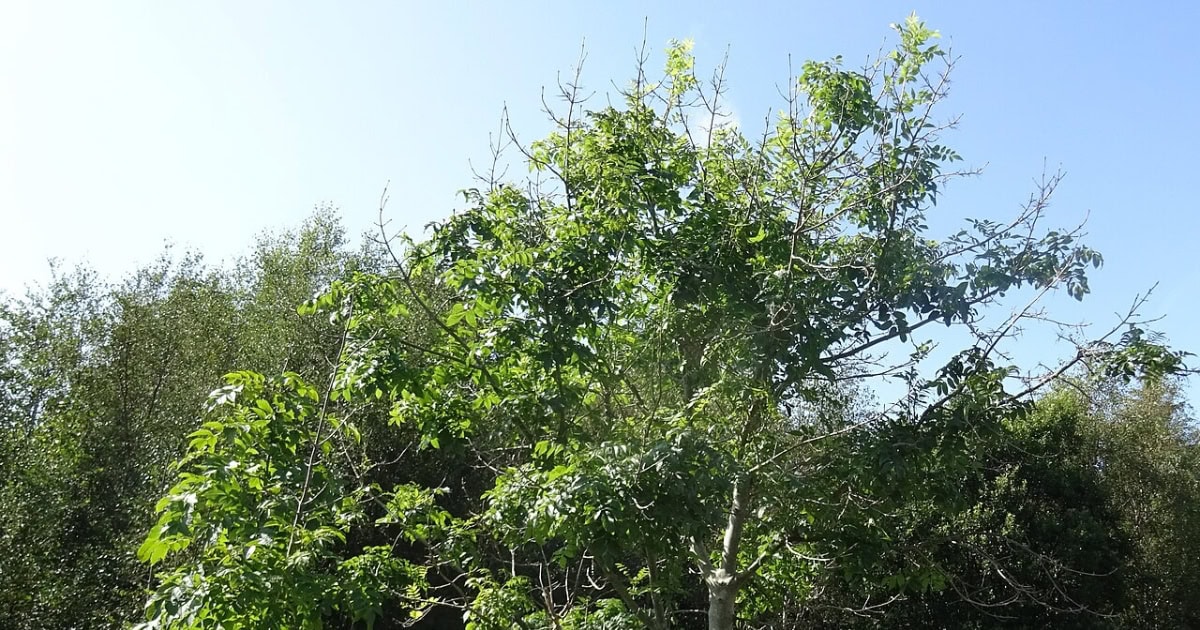

Managing Ash in Woodlands (Silviculture): Choosing Replacements that Support Ash-Associated Biodiversity
Ash has shaped our woods for centuries. A light canopy. Leaf litter that feeds the soil fast. Bark and branches that host whole communities of lichens and insects. In the North West — wet summers, clay and limestone, coastal wind — ash is everywhere. Ash dieback changes that. We can manage the risk, but the real challenge is keeping the wildlife that ash supports while we plant the next chapter. (James Hutton Institute, 2025; Forest Research, 2025). James Hutton Institute+1
We are seeing owners hesitate between doing nothing and felling everything. There is a better line: retain the right trees where safe, and replant by traits, not just names. If a stressed crown follows a heatwave, consider an ash dieback lookalike before you panic. (RHS, 2025). RHS
What ash dieback looks like (and how to avoid false alarms)
Start with the leaves and shoots in July to September. Look for blackening that runs along the central stalk and into the new shoot. Follow branches back to the junctions and check for diamond-shaped lesions. If you gently lift the bark beside a lesion, the living layer beneath shows brown-grey rather than the healthy cream you expect. Crowns thin from the top, and new shoots pop lower down the trunk as the tree compensates.
Two simple, checkable things you can do:
- Compare photos from the last two summers taken from the same place. A clear thinning trend is evidence you can act on.
- At last year’s nodes, look for diamond lesions and brown-grey inner bark.
Drought scorch, salt wind and other pests can create an ash dieback lookalike. That is why the timing matters: after autumn colour begins, normal yellowing can mimic disease. If in doubt, ask for a survey. (Forest Research, 2025). Forest Research
If you see thinning and lesions over a play area or path, book a survey.
Disease stages and public risk along paths and roads
Think in three steps. Early: scattered leaf scorch and tiny lesions; the structure is usually intact. Advancing: more lesions, dead twigs, a thinning top, and odd shoots on the stem. Advanced: lesions at the base invite decay fungi and the stem becomes unpredictable in wind.
On public rights of way, school routes and roadside belts, advancing and advanced trees are foreseeable risk. Clay soils in our region hold water and can soften rooting; coastal exposure adds loading. Keep an eye on regrowth over narrow tracks after summer storms. If all you see is bronzed leaves below a dry spell, that could be an ash dieback lookalike. Confirm the lesions before you fell. (Arboricultural Association; RHS). trees.org.uk+1
If the crown overhangs a highway or popular path, prioritise inspection and act proportionately.
Plant for traits, not just names: how to keep ash-associated wildlife
Ash supports a remarkable 955 species, with a core set that almost never use anything else. It casts a light shade and drops nutrient-rich leaves that break down quickly, feeding ground flora and soil life. To keep that living web, imitate the functions of ash with mixtures, rather than trying to find a single “replacement ash.” (James Hutton Institute; Forest Research). James Hutton Institute+1
Your North West picker (examples we use on the ground):
- On limestone slopes around the Ribble and north Cheshire meres: field maple and small-leaved lime keep a lighter canopy; add whitebeam, yew and hazel for structure.
- In wet bottoms on clay, go with alder and goat willow to handle water, then thread in downy birch and rowan on drier mounds for light.
- On exposed coasts near Merseyside or Morecambe Bay, favour rowan, downy birch, whitebeam and aspen; wider spacing reduces wind throw.
- Roadside belts on heavy clay do well with field maple and small-leaved lime; use rowan as a fast nurse. In some belts, sycamore helps mimic ash’s litter chemistry and lichen support; manage self-seeding with routine checks.
This is where owners sometimes react to a browned crown and replant in a rush with dense beech or single-species blocks — an ash dieback lookalike diagnosis in a hot, dry summer can be the push. Slow down. Confirm the lesions, then plant by traits and in mixtures. (ON046b; Devon ADB Forum). GOV.UK+1
Choose three or more species per area, matched to your soils and light, using UK-grown stock.
Keep what you can: safe retention and natural regeneration
Not every ash is doomed. Studies in 2025 found that young, naturally regenerated ash in British woodland carry many small genetic changes that make them tougher against dieback. That is evolution in action. You protect that future by keeping the best survivors where it is safe to do so. (Kew and Queen Mary University of London, 2025; Stocks et al., 2019). Kew Gardens+1
Look for trees that hold fuller crowns than their neighbours and show few or no lesions at last year’s nodes. Favour trees in open, breezier spots; they often fare better. If they stand over a quiet back ride, a modest crown reduction to remove dead wood can buy years without losing their seed. This is the opposite of an ash dieback lookalike error: it is evidence-led, and it keeps options open. (GOV.UK; Arboricultural Association). GOV.UK+1
Mark your cleanest ash, photograph them each July, and keep them where risk is low.
Two snapshots from recent work
A driveway in South Manchester. The owner called after a hot spell: “It has ash dieback.” Leaves were bronzed and the crown looked tired. We checked in late July: no diamond lesions, inner bark was healthy; one light reduction for driveway clearance, and a follow-up photo point agreed. A classic ash dieback lookalike after heat and reflected road glare. (Forest Research criteria). Forest Research
A ride edge near Wigan. Ten mid-aged ash beside a narrow path; five showed lesions and thinning. We removed the three over the path and retained the five cleanest as seed trees. Underplanted field maple, small-leaved lime and rowan in clusters. One season on: natural ash seedlings are up, the ride is safer, and the ground flora stayed bright. (ON046b; Hutton). GOV.UK+1
If you manage a path edge, combine selective felling with underplanting rather than clear-fell.
Permissions, timing and who to call
Protected trees need consent. A Tree Preservation Order means you apply before pruning or felling. Conservation areas need notice. Larger volumes may trigger a felling licence unless trees are dead or present an immediate danger. If a dangerous ash stands by a road and is not yours, report it to the council. In Manchester and Lancashire there are dedicated contact routes. (Manchester City Council; Lancashire County Council; GOV.UK). manchester.gov.uk+2Lancashire.gov.uk+2
Book surveys in July–September for the clearest diagnosis. If costs are a concern, triage where people walk first: schools, bus stops, play spaces, and popular paths. If what you see is just a seasonal ash dieback lookalike, you will have saved a tree — and the wildlife it supports.
Ask before you cut; get a written plan that covers both risk and biodiversity.
Ready to act?
If your woodland is in Greater Manchester, Lancashire, Merseyside, Cheshire or Cumbria, we can help you identify true ash dieback, retain the right survivors, and replant by traits so ash-associated species stay on your site.
Book a July–September ash survey and replanting plan — practical, proportionate, biodiversity-first.
References
Forest Research (2025) Signs and symptoms; Chalara manual (pictures). GOV.UK Forestry Commission (2025) Managing ash dieback in England. Forestry Commission (2020) ON046b Restocking after ash loss. James Hutton Institute (2025) Ash associated biodiversity (AshEcol). Hill et al. (2019) J Appl Ecol; Broome et al. (2019) Forestry. Arboricultural Association (v4).
Disclaimer (UK): Works to protected trees may need Tree Preservation Order consent or conservation-area notice; felling licences often apply. Wildlife legislation protects nesting birds and roosting bats. Always seek written advice before undertaking works. (GOV.UK). GOV.UK
Book in your tree survey today
Get clear, professional advice from qualified tree surveyors you can trust. Whether you need a report for planning, insurance, mortgages or safety, we’ll deliver accurate results fast.