
Managing individual trees and risk (highways, schools, estates): ON046a explained for hedgerows, verges, churchyards, and parks
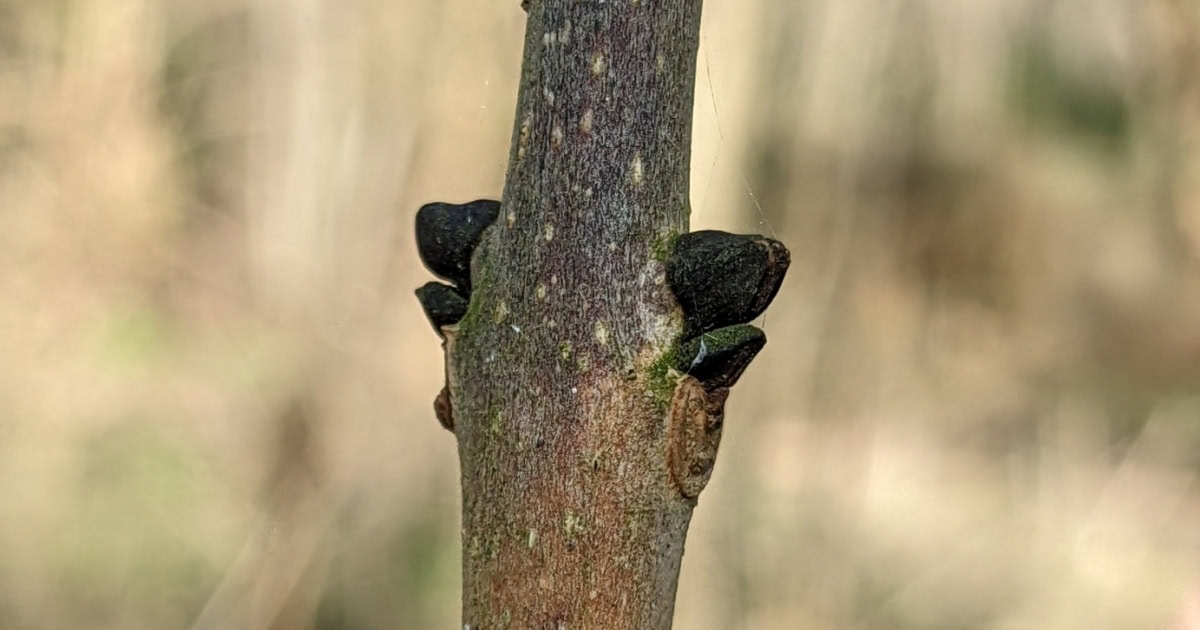

Ash dieback is now a day-to-day reality across the North West. You’ll see thinning crowns on roadside belts into Manchester, pockets of decline along clay-banked estate drives, and brittle limbs on coastal verges from Formby to Lytham. The question for a tree owner isn’t “fell or not?”—it’s how to act proportionately and legally, site by site. That’s exactly what Operations Note 46a (ON046a) was written to help you do. GOV.UK
TL;DR
- Survey ash in summer (July–September), log symptoms, targets and occupancy.
- Make risk-based decisions (retain / reduce / remove) and document why.
- Check felling licences and Tree Preservation Orders before works.
- Where safe, keep well-structured trees—new UK research shows young ash populations are evolving greater tolerance. GOV.UK+1
What ON046a covers—and why it matters for non-woodland trees
ON046a is official guidance for individual ash and small groups (less than 0.5 ha) in open settings—hedgerows, highway verges, churchyards, gardens and parks. It’s about turning symptoms into proportionate actions beside people and property, not blanket felling. If your ash sits over a school route, bus stop, car park or public right of way, this note is your roadmap. GOV.UK
Owners also have legal duties: most felling in response to ash dieback still requires a Forestry Commission felling licence, and TPO/Conservation Area protections continue to apply. Start there before you commission works. GOV.UK
A practical ON046a-aligned workflow (for highways, schools, estates)
- Map & prioritise your ash next to high-use places: school gates, PRoW, estate access tracks, 40–50 mph approaches into town. Note occupancy (who’s underneath, and when). The National Tree Safety Group (NTSG) approach—likelihood × consequences—keeps decisions defensible. ntsgroup.org.uk
- Survey in summer. Mid–late summer is when leaf and shoot symptoms are clearest against normal colour change. Photograph the same view each year. Forest Research
- Rate condition + targets. Record dieback percentage, diamond-shaped lesions at nodes, any basal lesions/decay, then combine with occupancy (play area, carriageway, path). Forest Research
- Decide: retain / reduce / remove. Retrenchment or crown reduction can lower risk where structure allows; remove where stability or occupancy leaves no margin (e.g., over a bus stop). Log the rationale. ntsgroup.org.uk
- Permissions. Confirm felling licence/TPO status before booking works; exemptions (dead or immediate danger) are specific and should be evidenced. GOV.UK
- Aftercare. Re-inspect annually (or more often beside highways/schools). Replant for diversity, selecting species that suit clay soils or coastal exposure where relevant.
Ash dieback symptoms—what to look for (and common lookalikes)
- Leaves & shoots (summer): wilting and blackening; necrotic blotches along the midrib; some leaflets hang on as blackened flags. Don’t confuse with late frost scorch—timing is your friend. RHS
- Stems & bark: lens- or diamond-shaped lesions just above leaf scars; under the bark you’ll find brown/grey stained wood. Forest Research
- Crown: tip dieback, sparse upper canopy, epicormic shoots lower down. RHS
- Base & roots: dark basal lesions; watch for honey fungus (Armillaria) partnering decline and undermining stability. Forest Research
Two checks you can do right now:
• Compare photos from the last two summers—same week, same angle. If live crown area has shrunk by ~20%+, get a survey. Forest Research
• Inspect last year’s nodes for diamond lesions on second-order shoots; if present, inspect the base for decay, especially near paths or roads. Forest Research
If you see these signs over a play area or pavement, book an inspection.
Managing individual trees and risk (North West realities)
Manchester sites force trade-offs. Wet summers and shrink–swell clays around drives change how trees behave; coastal winds across Sefton add dynamic loading. None of that means automatic removal. It means proportionate inspection intervals and site-specific works. That’s the spirit of NTSG: a clear, documented balance between benefit and risk. ntsgroup.org.uk
We’re also avoiding “fell-by-default” where safe. New peer-reviewed work from RBG Kew and Queen Mary University of London shows younger UK ash populations are evolving greater resistance—another reason to retain well-structured trees that can be managed safely. Kew Gardens+1
ON046a in practice: hedgerows, verges, churchyards, parks
- Hedgerows (Chorley/Wigan lanes): Standard ash within mixed hedges decline unevenly. We’ll often selectively reduce to retain connectivity and sightlines, removing only stems with basal decay that threaten PRoW. GOV.UK
- Verges (A-roads into Manchester): Higher speeds and footfall push earlier intervention. National Highways’ approach aligns with GOV.UK guidance: manage risk, don’t automatically clear avenues. nationalhighways.co.uk
- Churchyards (Salford/Trafford): Sensitive settings: monuments, desire-lines, protected species checks (bats) and phased works. Forest Research advises a presumption against felling living mature ash where protected species associations exist—manage carefully instead. Forest Research
- Parks (Heaton, Alexandra contexts): Retrenchment pruning plus temporary exclusion zones can keep amenity while risk is lowered around play or café areas.
Grounded vignette (private drive, anonymised):
Two mature ash over a clay-banked drive near Altrincham showed 30–40% crown loss. One had basal lesions with Armillaria; one held good structure. We retained the better tree with a modest reduction and 12-month re-inspection, removed the compromised stem over the blind bend, and replanted a mixed line.
Mini-case (Stockport primary):
Boundary ash at ~50% dieback above a pupil walkway on a 30-mph road. Decision: staged reduction, short-term path barrier, and 9-month review. Outcome: risk down at the gate; shade kept over the field.
If a hedgerow ash leans into a narrow lane with poor sightlines, arrange an inspection before winter storms.
“Retain, reduce or remove?”—pros and cons at a glance
- Retain (monitor):
Pros: preserves habitat/amenity and potential tolerance genetics; lower upfront cost.
Cons: needs regular checks; risk profile can change with decay fungi. Kew Gardens - Crown reduction / staged retrenchment:
Pros: lowers likelihood of failure while keeping canopy; ideal for parks/estates.
Cons: skilled work; staged cycles; not right for every form. ntsgroup.org.uk - Remove and replant:
Pros: eliminates high immediate risk; enables diversification.
Cons: consents needed; higher upfront cost; canopy loss—plan replanting well. GOV.UK
If the tree oversails a bus stop or school gate and structure is compromised, don’t delay—book works after consent checks.
Permissions, ecology & paperwork (plain English)
- Felling licence: normally required unless the tree is dead or poses a real and immediate danger; evidence matters. GOV.UK
- TPO/Conservation Area: Manchester boroughs use these widely; apply before works. GOV.UK
- Protected species: bat roost potential and nesting birds affect timing and methods—build this into your spec. Forest Research advises cautious, proportionate management where protected species are linked to ash. Forest Research
Extra context from national firms & charities (useful reads)
- Bartlett Tree Experts (Research Lab): technical note urging monitoring and avoiding blanket felling of mature trees where structure remains safe; watch the Armillaria interplay. bartlett.com
- The Tree Council: step-by-step owner guide; clear photos and decision support. The Tree Council
- RHS: concise symptom list and timing (spores active June–October). RHS
Quick owner actions this month
- Take two crown photos (now and next July) from the same spot; label them by date.
- Walk each ash and check last year’s nodes for diamond lesions; then scan the base for dark patches or loose bark. If either is over a pavement, book a survey. Forest Research
Call to action (North West)
If your ash sits beside a road, school or estate access in Greater Manchester, Cheshire or Lancashire, we’ll apply ON046a and NTSG principles on site—survey, risk rating, permissions and a clear spec your contractor can price.
Request a site visit: Tree Surveys North West — practical ash dieback surveys and management plans, locally grounded and defensible.
Useful authoritative sources referenced
- ON046a (Forestry Commission / GOV.UK) — scope, duties for non-woodland ash in hedgerows, verges, churchyards, parks. GOV.UK
- GOV.UK: Managing ash dieback in England — licences, TPOs, owner duties. GOV.UK
- Forest Research: Ash dieback — biology, symptoms, pictures; owner-friendly leaflets. Forest Research+2Forest Research+2
- NTSG (2024) Common sense risk management of trees — proportionate, occupancy-aware tree risk. ntsgroup.org.uk
- National Highways: our approach — how highway authorities apply national guidance. nationalhighways.co.uk
- Kew/QMUL (2025) — Science-backed evidence of evolving resistance in young UK ash. Kew Gardens+1
- Bartlett Tree Experts (Research Lab) — technical note on monitoring and avoiding automatic mature-tree felling. bartlett.com
Disclaimer (England): This article offers general guidance and isn’t a substitute for site-specific professional advice. Works may require a felling licence and/or TPO/Conservation Area consent. Protected species legislation applies. Always consult your local planning authority and a qualified arboricultural professional before works. GOV.UK
Book in your tree survey today
Get clear, professional advice from qualified tree surveyors you can trust. Whether you need a report for planning, insurance, mortgages or safety, we’ll deliver accurate results fast.